
Diabetics face unique challenges with warts due to impaired circulation and immune function from high blood sugar. Comprehensive wart removal care involves regular foot/hand inspection, patience with over-the-counter treatments (like salicylic acid), consulting specialists for topical medications or cryotherapy, good hygiene, and personalized specialist advice for persistent cases. Surgical options like cryosurgery or laser treatments offer high success rates, but require consultation for tailored techniques. Laser therapy is precise, effective, yet expensive and may need multiple sessions with post-treatment care. Natural remedies, guided by professionals, are also viable. Key strategies for comprehensive wart removal care naturally include regular monitoring, clean/dry areas, topical antioxidants/oils, professional help, alternative therapies, and regular check-ups.
Warts, a common concern for many, can pose unique challenges for diabetics due to compromised circulation and immune function. Effective wart removal methods are essential not only for aesthetic reasons but also to prevent potential complications in this vulnerable population. This comprehensive guide aims to offer a detailed exploration of natural, fast-acting strategies for wart removal care specifically tailored to diabetics’ needs. By delving into evidence-based practices and providing practical insights, we empower individuals with diabetes to take charge of their skin health.
- Understanding Warts in Diabetics: Causes and Risk Factors
- Comprehensive Wart Removal Care Naturally: Topical Treatments
- Surgical Options for Persistent Warts: What to Expect
- Laser Therapy for Advanced Warts: Pros and Cons
- Home Remedies for Diabetic Warts: Safety Precautions
- Preventing Recurrence: Post-Removal Care Strategies
Understanding Warts in Diabetics: Causes and Risk Factors

Warts, especially in diabetic individuals, can pose unique challenges due to the condition’s impact on circulation and immune function. Diabetics are more susceptible to developing warts, particularly on the hands and feet, and these lesions may heal more slowly or become chronic. Understanding the causes and risk factors associated with warts in diabetics is crucial for implementing effective comprehensive wart removal care naturally.
One primary cause is weakened immune system resulting from high blood sugar levels. This impairs the body’s ability to fight off viral infections that lead to warts, such as the human papillomavirus (HPV). Additionally, poor circulation common in diabetes can delay the body’s natural response to remove affected skin cells, allowing warts to persist. High blood glucose also fosters an environment conducive to wart growth, as sugars provide fuel for viral replication.
Other risk factors include age, as diabetics over 40 are more prone to developing warts, and poor general health, which can compromise immune function. Foot complications associated with diabetes, such as nerve damage (neuropathy) and reduced sensation, make it harder to detect and address early wart formation. Furthermore, shared footwear or close contact with infected individuals can facilitate the spread of HPV, increasing risk for diabetics living in dense populations or sharing common spaces like public showers or pools (e.g., in Cambridge, Oxford, or Leicester).
Comprehensive wart removal care naturally for diabetics involves a multi-pronged approach. Regularly inspect feet and hands for any unusual growths. For minor warts, over-the-counter treatments containing salicylic acid can be effective, though patience is required due to potential slow healing in diabetics. Topical medications or cryotherapy (freezing) may also be recommended by healthcare professionals in cities like Cambridge, Oxford, or Leicester specializing in wart removal. Maintaining good foot hygiene and wearing breathable footwear can help prevent and manage warts. Consulting a specialist for persistent or painful warts is crucial, as they can provide tailored advice and safe, effective treatments suitable for diabetics’ specific needs.
Comprehensive Wart Removal Care Naturally: Topical Treatments
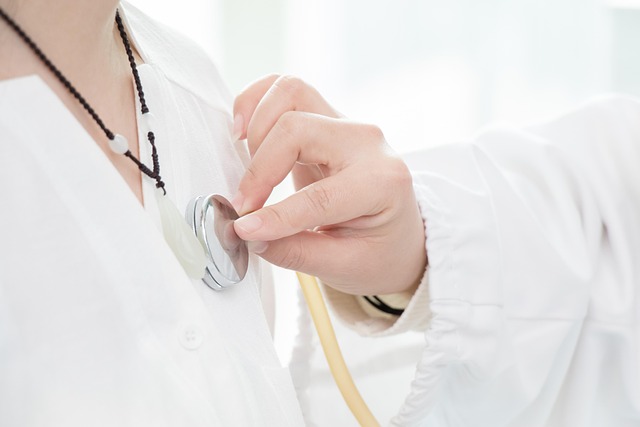
For diabetics managing warts, a comprehensive wart removal care naturally through topical treatments is essential. While over-the-counter options exist, seeking expert advice from specialists like those available at cosmetic wart removal Glasgow or wart removal near me Edinburgh can offer safer, more effective solutions tailored to individual needs. These professionals understand the delicate balance of diabetic skin and can guide appropriate treatments, ensuring both wart removal and maintaining overall skin health.
Topical treatments for warts range from simple home remedies to prescription medications. Common natural options include salicylic acid, which softens the wart’s outer layer, allowing for easier removal, and podophyllotoxin, derived from the podophyllum plant, known for its anti-viral properties. Application instructions must be followed carefully, especially for diabetics, as improper use can lead to skin irritation or other complications. For instance, a study published in The Journal of Dermatology found that salicylic acid applications, when combined with cryotherapy (freezing), significantly improved wart removal rates compared to using salicylic acid alone.
Consulting specialists like those at wart removal specialists Edinburgh can provide access to advanced topical treatments and personalized care. They may recommend higher concentrations of medications or combination therapies based on the type, size, and location of the wart. Additionally, they can offer guidance on managing diabetes alongside wart treatment, ensuring that any chosen method does not exacerbate blood sugar levels or cause further skin issues. Regular follow-ups are crucial to monitor progress and adjust treatments as needed, ultimately guiding diabetics towards comprehensive wart removal care naturally and effectively.
Surgical Options for Persistent Warts: What to Expect

For diabetics managing persistent warts, surgical options offer a comprehensive wart removal care solution when other methods fail. It’s crucial to understand that while surgery isn’t always the first choice, it can be an effective approach, especially for large or hard-to-treat warts. Procedures like cryosurgery, where liquid nitrogen is used to freeze and destroy the wart, have shown success rates of up to 80% in some studies. Laser treatments are another option, targeting specific cells without damaging surrounding skin, making them particularly appealing for sensitive areas.
When considering surgical options, it’s essential to consult with a specialist who can assess the wart’s size, type, and location. For instance, a cosmetic wart removal Edinburgh expert might employ a different technique than one in Liverpool or Exeter due to regional differences in clinical practice and patient needs. These specialists can guide patients through the procedure, managing pain and ensuring optimal recovery. Post-operative care is vital; regular follow-ups ensure the complete removal of the wart and help prevent reoccurrence.
The choice of surgical method depends on various factors, including the wart’s resilience and the patient’s overall health. For example, a stubborn verruca might require more aggressive treatment compared to a milder case. Some procedures, like dermatologic surgery in Liverpool, can offer immediate relief, while others may take several sessions spaced over weeks. It’s important to remember that while these treatments are effective, they may not be suitable for everyone, and natural remedies or alternative methods should also be explored as part of comprehensive wart removal care.
Laser Therapy for Advanced Warts: Pros and Cons

For diabetics managing warts, comprehensive wart removal care is essential to prevent complications. While there are various treatments available, laser therapy stands out as a particularly effective approach for advanced warts. This method offers precise targeting of the affected skin, minimizing damage to surrounding healthy tissue, which is crucial for diabetic patients with compromised circulation and nerve sensitivity.
Laser therapy for wart removal involves using concentrated light energy to destroy targeted skin cells. It’s particularly beneficial for persistent or large warts that haven’t responded to conventional treatments like cryotherapy or topical acids. A qualified dermatologist will select the appropriate laser wavelength based on the type of wart, ensuring optimal results with minimal side effects. The procedure is usually quick, often taking only a few minutes per treatment session, and it can be performed in specialized clinics like those offering Wart Removal Liverpool, Wart Removal Bristol, or cosmetic Wart removal Manchester services.
However, laser therapy isn’t without considerations. It can be expensive compared to other methods, and multiple sessions might be required for complete wart removal. Additionally, while it’s generally safe, there’s a risk of temporary redness, swelling, and skin discoloration at the treatment site. For diabetic patients, proper wound care after each session is vital to prevent infections and ensure optimal healing. It’s essential to consult with a healthcare professional or dermatologist who understands the unique needs of diabetics before opting for laser therapy, as they can provide tailored advice and post-treatment guidance.
Home Remedies for Diabetic Warts: Safety Precautions

For diabetics managing warts, a comprehensive wart removal care naturally becomes an essential part of their skincare routine. While over-the-counter treatments may be readily available, it’s crucial to approach them with caution due to potential complications related to diabetes. Warts, especially on the feet, can lead to more serious issues for diabetics as they often experience reduced sensation and poor circulation in their extremities.
Home remedies offer a safer alternative for managing diabetic warts. However, it’s important to proceed with careful consideration and expert advice. Natural treatments like apple cider vinegar, tea tree oil, or duct tape can be effective but require specific application methods and vigilance. For instance, soaking the wart in warm water and then applying an essential oil like tea tree oil can help soften the skin and potentially dissolve the wart over time. Yet, consistency is key, and these remedies may take several weeks to show results.
Seeking professional guidance is invaluable for comprehensive wart removal care. Options like private wart removal services in Leeds, Cardiff, or Milton Keynes offer specialized treatments tailored to diabetics’ unique needs. Cryotherapy, laser treatment, and topical medications are among the procedures available. These methods aim to remove warts effectively while minimizing risks associated with diabetes. For instance, a study published in the Journal of Dermatological Treatment found that cryotherapy was successful in treating diabetic foot warts for over 80% of patients.
Remember, each case is unique, and consulting a healthcare professional or dermatologist is vital to determine the best course of action. They can assess the wart’s severity, consider individual health conditions, and recommend appropriate treatments, ensuring safe and effective wart removal naturally or through specialized procedures available in your area, such as those offered in Leeds, Cardiff, or Milton Keynes.
Preventing Recurrence: Post-Removal Care Strategies

Wart removal for diabetics requires a comprehensive approach to ensure effective prevention of recurrence. Given the heightened sensitivity and potential complications associated with diabetes, post-removal care strategies are paramount. A natural, holistic approach can be highly effective in managing warts, minimizing pain, and preventing future occurrences. Expert recommendations suggest regular monitoring and maintaining excellent hygiene practices as foundational elements. For instance, keeping the affected area clean and dry significantly reduces the risk of reoccurrence. Additionally, applying topical antioxidants or essential oils, such as tea tree oil, known for their antiviral properties, can be beneficial.
Seeking professional help is crucial, especially for diabetics, to avoid complications. Services like private wart removal in Liverpool or Exeter offer specialized care tailored to individual needs. Healthcare professionals can employ advanced techniques, such as cryotherapy or laser treatments, which have proven effective in removing warts while minimizing pain and potential side effects. It’s important to note that these methods should be accompanied by comprehensive post-removal care, including keeping the treated area clean and avoiding strenuous activities until healing is complete.
Beyond traditional methods, alternative therapies like salicylic acid applications or certain herbs with antiviral properties can aid in wart removal and prevention. However, their use must be guided by medical professionals to ensure safety and efficacy. Regular check-ups are essential to monitor any changes or recurrences, as data suggests that diabetics may experience slower healing times and increased risk of complications from warts. Proactive management through a combination of professional care, natural remedies, and diligent self-care practices can significantly reduce the likelihood of wart recurrence in this population.
In addressing fast and effective wart removal for diabetics, this article has provided a comprehensive guide encompassing various treatment options, from natural topical treatments to advanced surgical and laser therapies. Key insights include understanding the specific causes and risk factors associated with warts in diabetic patients, emphasizing the importance of comprehensive wart removal care naturally as a first line of defense. Surgical interventions and laser therapy are presented as effective solutions for persistent cases, while home remedies highlight safety precautions necessary for diabetics. Preventative measures and post-removal care strategies round out the discussion, underscoring the holistic approach to managing this condition. Readers gain valuable knowledge on navigating wart removal options tailored to their unique needs, leveraging the expertise shared in this authoritative article.